19 November 2026 Post by : Editorial iGaming
Splash Zone Science: Why Puddles Make the Best Outdoor Classroom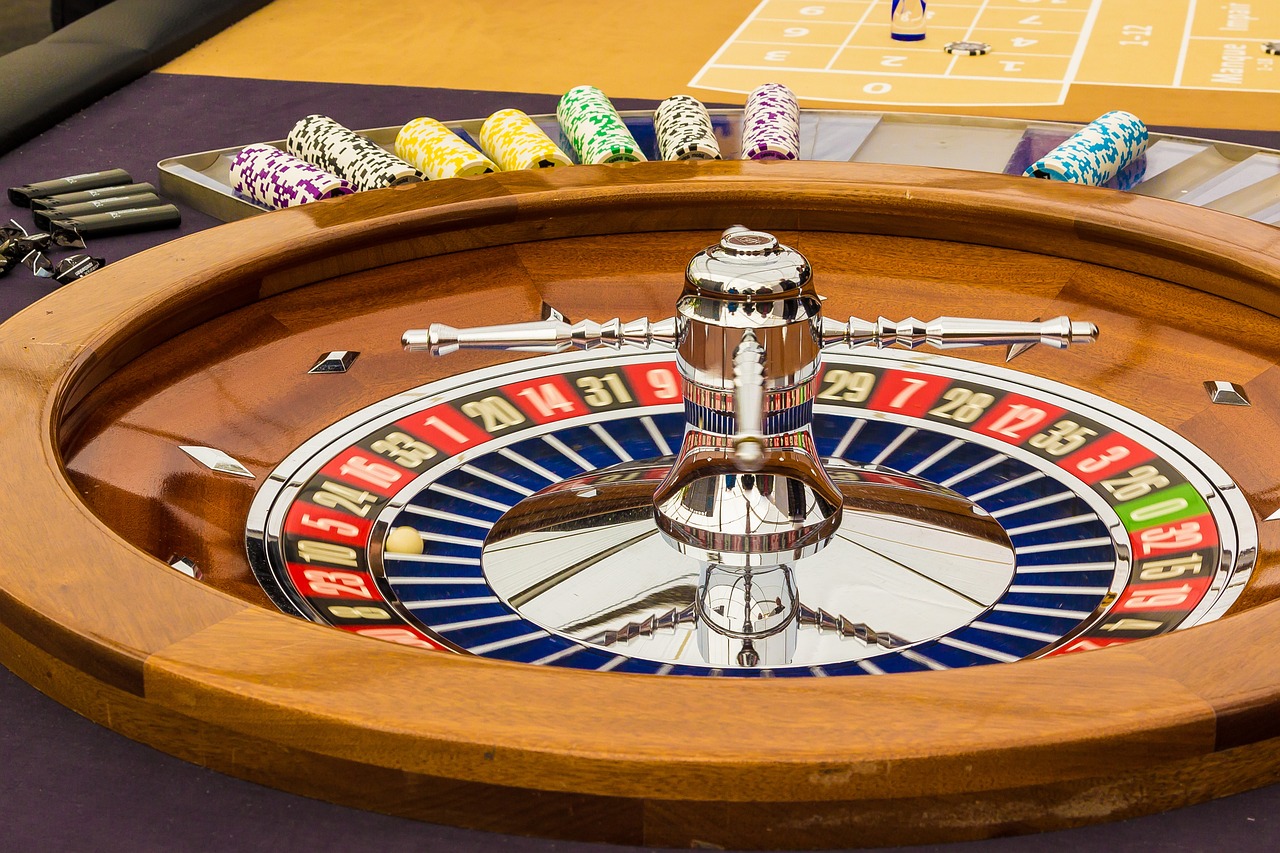
You've seen the flashy ads: a smiling couple wins a life-changing jackpot on a slot machine, or a poker player turns a $10 buy-in into $100,000. These stories are real, but they're the exception, not the rule. The difference between a player who consistently loses and one who walks away with profits (or at least loses less) isn't luck, superstition, or a "hot streak." It's understanding the math, the psychology, and the mechanics behind the games.
This isn't a get-rich-quick guide. It's a reality check for anyone who enjoys iGaming, casino games, sports betting, slots, or poker. Whether you're a casual weekend player or someone who tracks every bet, here's what actually matters.
House Edge: The Invisible Tax on Every Bet
Every casino game has a built-in advantage for the house. It's called the house edge, and it's the percentage of each bet that the casino expects to keep over the long run. This isn't a scam; it's how the business stays open. But if you don't know the edge, you're flying blind.
Let's look at concrete numbers. European roulette has a house edge of 2.7% (one zero). American roulette, with its double zero, jumps to 5.26%. That single extra pocket nearly doubles the house's advantage. Blackjack, played with basic strategy, can have an edge as low as 0.5% (assuming rules like dealer stands on soft 17). Slots are trickier because the edge varies wildly; a typical online slot might have a 2% to 10% house edge, while some progressive jackpots are worse, but the trade-off is the massive top prize.
Poker is the outlier. You're not playing against the house; you're playing against other players. The casino takes a rake (a small percentage of each pot). A good poker player can have a positive expectation because the edge comes from skill, not luck. But that also means a bad player faces a negative expectation that's far worse than any slot machine. In poker, if you can't spot the fish at the table within ten minutes, you're the fish.
Slot Volatility and RTP: The Two Numbers That Actually Matter
Slot players love to talk about "hot" and "cold" machines. That's gambler's fallacy. A machine that hasn't paid out in an hour isn't "due." Each spin is independent, powered by a random number generator (RNG). What you should actually care about is RTP and volatility.
- RTP (Return to Player): The percentage of all wagered money that a slot pays back over millions of spins. An RTP of 96% means the house keeps 4%. But that's a long-term average. In a single session, you could lose everything or double your money.
- Volatility: How often and how much a slot pays. Low volatility slots pay small amounts frequently, ideal for grinding out bonuses. High volatility slots pay rarely but can hit huge. If you have a small bankroll and high volatility, you'll likely bust out fast.
Example: Book of Dead has an RTP of 96.21% and high volatility. You might spin 200 times without a win, then hit a bonus that pays 500x. A low-volatility slot like Starburst (RTP 96.09%) pays smaller, more frequent wins. Neither is "better"; it depends on your goal and your patience. If this is new to you, สล็อตเว็บตรง is a sensible next read.
Sports Betting: Where the Public Usually Gets It Wrong
Sports betting is not about picking winners. It's about finding value. The bookmaker sets odds to balance the action and guarantee a profit (the vig or juice). If you bet on a team at -110, you need to win 52.4% of the time just to break even. That's the break-even point.
Most recreational bettors chase favorites, parlay everything, and ignore line movement. Sharp bettors do the opposite. They look for soft lines, often in less popular markets like prop bets, women's sports, or lower-tier leagues. They also understand that closing line value (CLV) is a better predictor of long-term success than win-loss record. If you consistently bet before the line moves in your favor, you're doing something right.
One concrete tip: avoid parlays. A three-team parlay at standard odds (-110 each) has a true probability of about 1 in 7. The payout is 6 to 1, but the fair payout would be 7 to 1. That's a massive edge for the house. If you love parlays, treat them as lottery tickets, not investment strategy.
Poker: The Only Game Where You Can Actually Win Long-Term
Poker is a skill game disguised as gambling. Over a small sample, luck dominates. Over 100,000 hands, skill wins. The key concepts are position, pot odds, and reading opponents.
- Position: Acting last gives you more information. Play tighter from early position, loosen up on the button.
- Pot odds: If the pot is $100 and you need to call $10 to draw to a flush (roughly 4:1 against), you're getting 10:1. That's a clear call. If the pot is $50 and you need to call $20, you're getting 2.5:1, so fold.
- Player types: Identify the calling stations (loose, passive), the nits (tight, predictable), and the maniacs (hyper-aggressive). Exploit them. Against a calling station, never bluff. Against a nit, steal blinds relentlessly.
The most common leak for new players? Playing too many hands. In a full-ring game, you should voluntarily put money in the pot less than 20% of the time. Most amateurs are above 40%. Tighten up and watch your win rate climb.
The Psychology Trap: Why You Lose Even When You Know Better
You know the house edge. You know slots are random. Yet you still chase losses, increase bets after a win, and play longer than planned. That's not a character flaw; it's how your brain is wired. Loss aversion makes losing $100 feel twice as bad as winning $100 feels good. The near-miss effect on slots (two jackpot symbols and a blank) triggers the same dopamine response as an actual win. Casinos design everything, from the lights to the sounds, to keep you playing.
The fix isn't willpower. It's systems. Set a loss limit before you start and stick to it. Use session timers. Never play with money you can't afford to lose. And if you feel yourself chasing, walk away for 24 hours. The game will still be there tomorrow.
Final Thought: Play for Entertainment, Not Income
The harsh truth is that for 99% of players, iGaming is a form of paid entertainment. The house edge ensures that the casino, the sportsbook, and the poker room will profit over time. That's fine. You pay for a movie ticket, a concert, or a nice dinner, and you don't expect to make money. Treat casino games the same way.
But if you're going to play, play smart. Know the RTP of your favorite slot. Understand the vig on your sports bets. Fold more hands in poker. And never, ever bet more than you're comfortable losing. The players who last aren't the luckiest. They're the most disciplined. Luck is a depreciating asset. Discipline compounds.


Author

22 feb,2025
This incident opened my eyes to the value of Insurance in general, so I decided to examine my personal and business insurance.





Comment (3)
The payments are made directly from one person to another without passing through a central bank or clearing house.
22 feb,2025
ReplyTen Rainy Walk Games That Need Nothing But a Brolly
23 feb,2025
ReplyPuddle-Walking Etiquette: The Unwritten Rules of a Wet Walk
23 feb,2025
Reply