September 19, 2026 Post by : Editorial Outdoor Learning
Drying Out: The Gentle Art of Coming Home Soaked and Happy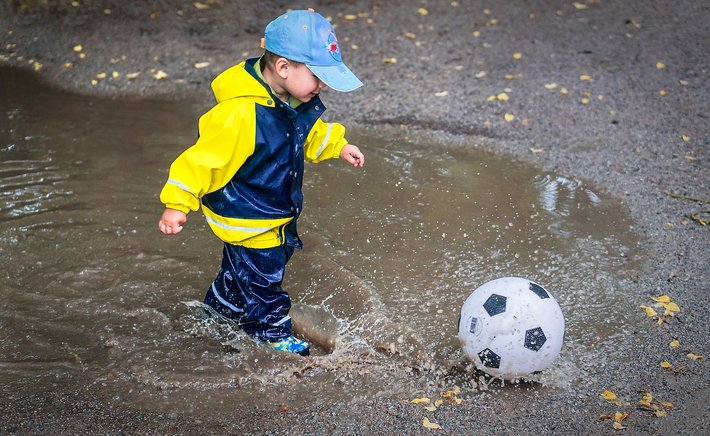
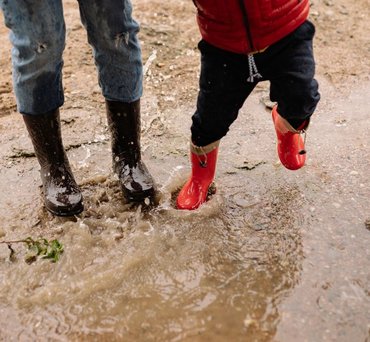
There is something almost magnetic about a puddle to a child. You can spot it a hundred metres away on a grey afternoon walk, and before you can say "mind your socks" they are already mid-leap. As parents, we often see the splash as the end goal. But a puddle is actually one of the richest little teaching tools the British weather hands us for free.
Next time you are out in the drizzle, try slowing down the moment before the jump. Ask your child what they think is under the water. Is the puddle deep or shallow? What colour is it today compared to yesterday? You have just started a conversation about depth, light and change, and they have not noticed they are learning.
Reading the Water
Puddles are honest little mirrors. On a bright day after rain, they reflect the sky and the trees above them. On a dull day they go grey and flat. Encourage your child to look at the reflection and name what they see. This is early work on symmetry and perspective, dressed up as a game.
You can also talk about where the water came from and where it is going. Does the puddle sit at the bottom of a slope? Is there a drain nearby? Does it shrink when the sun comes out? These are the beginnings of understanding the water cycle, and they are happening right there at wellie height.
Take a small stick and gently stir the puddle. Watch the mud swirl and then settle. Ask what happened to the dirt. This is a simple introduction to how water carries things, and how things sink or float. If you have a leaf or a small twig, test whether it floats. Let your child guess first, then try it.
Measuring and Comparing
Bring a ruler or just use your wellies as a unit of measure. How many wellie-deep is this puddle? Is the next one deeper or shallower? Comparing puddles along a walk builds early maths skills without any sense of a lesson. You can even keep a little tally on your phone or in a notebook of how many puddles you found and which was the biggest.
Temperature is another easy one. Does the water feel colder than the air? Why might that be? You do not need the right answer every time. The point is the wondering. Children who are encouraged to ask questions outdoors tend to keep asking them indoors too.
The best part is that none of this needs preparation, equipment or a dry day. It needs a pair of wellies, a waterproof coat and a willingness to stand in the rain for ten minutes longer than you planned. The puddle does the rest.

Author

22 feb,2025
This incident opened my eyes to the value of Insurance in general, so I decided to examine my personal and business insurance.
Comment (3)
The payments are made directly from one person to another without passing through a central bank or clearing house.
22 feb,2025
ReplyThe Puddle Rating System: How to Score a Perfect Splash
23 feb,2025
ReplyRainy Day Den Building: Forts That Survive the Drizzle
23 feb,2025
Reply